

Upholstery materials and styles vary based on their intended use, ensuring durability, comfort, and aesthetics in different environments.
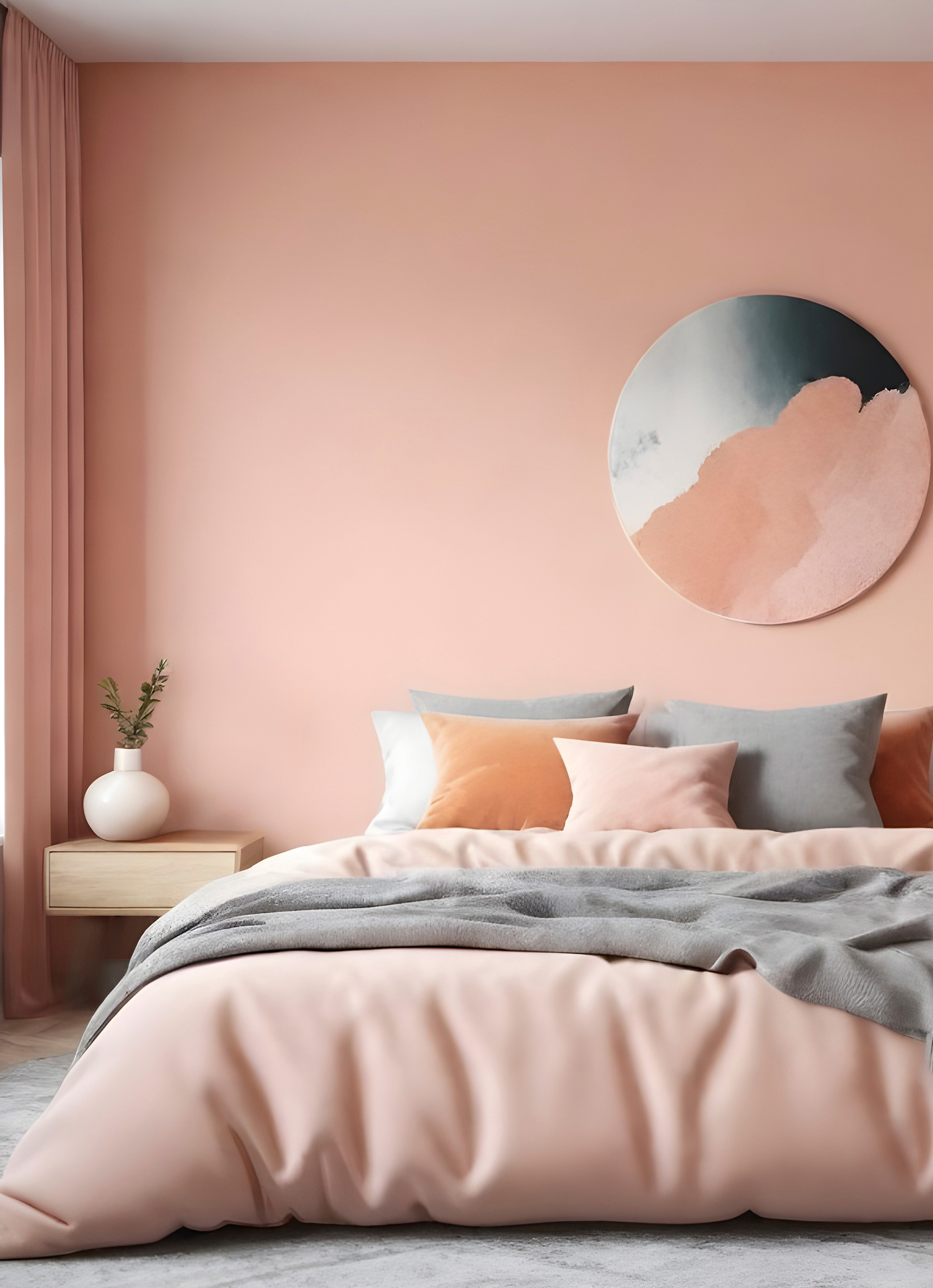
Designed for home furniture, prioritizing comfort, aesthetics, and durability.
Common materials: Cotton, linen, wool blends, velvet, and leather.
Examples: Sofas, armchairs, dining chairs, ottomans, and headboards.
Used in offices, hotels, restaurants, and retail spaces, focusing on durability and easy maintenance.
High-performance fabrics like synthetic blends, vinyl, and treated leather for stain and wear resistance.
Examples: Office chairs, restaurant booths, hotel lobby seating, and waiting room furniture.


Made from weather-resistant, UV-protected, and moisture-repellent fabrics.
Common materials: Sunbrella fabric, olefin, acrylic, and treated polyester.
Examples: Patio cushions, poolside loungers, and outdoor sofas.
Requires antibacterial, antimicrobial, and easy-to-clean materials to ensure hygiene.
Common materials: Vinyl, Crypton fabric, coated polyurethane, and stain-resistant synthetic blends.
Examples: Hospital beds, examination tables, dental chairs, and senior living furniture.


Specifically designed for boats and yachts, resistant to saltwater, mold, and mildew.
Common materials: Marine-grade vinyl, polyester, and solution-dyed acrylic fabrics.
Examples: Boat seats, cabin cushions, and deck lounge chairs.
Designed for car, bus, and airplane interiors with wear-resistant, temperature-regulating, and easy-to-clean materials.
Common materials: Leather, vinyl, synthetic blends, and Alcantara (microfiber suede).
Examples: Car seats, dashboards, steering wheel covers, and door panels.
